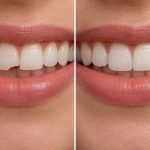

Having a tooth removed is sometimes the only way to protect the rest of your mouth from pain or infection. While the immediate relief is a good thing, the journey does not end once the tooth is gone. When patients receive tooth extractions in Lawrenceville, it is vital to start thinking about what comes next. Leaving a gap in the smile might seem like a small issue if it is in the back of the mouth, but a missing tooth can change how the entire jaw functions over time.
Choosing to replace a tooth is an investment in your future health. Whether a tooth was lost due to decay, injury, or a planned procedure, the space can lead to several complications that affect your ability to eat, speak, and feel confident.
Why Teeth Are Removed
There are several common reasons why a tooth might need to be taken out by a professional. Sometimes a tooth is too damaged by a cavity to be saved with a filling or a crown. In other cases, gum disease might have weakened the bone that holds the tooth in place.
Wisdom teeth removal is another very frequent procedure, especially for young adults. These extra molars often grow in sideways or become stuck under the gums, which can push other teeth out of alignment or cause painful swelling. No matter the reason for the removal, the goal is always to keep the rest of the mouth healthy and free from bacteria.
The Domino Effect of Missing Teeth
When a tooth is missing, the surrounding teeth no longer have a “neighbor” to lean on. This lack of support often causes the remaining teeth to tilt or shift into the space slowly. This movement can create new gaps where food gets stuck, leading to more cavities. It can also change your “bite,” which is the way your top and bottom teeth fit together.
If the bite is not aligned, it can put extra pressure on the jaw joint. This stress often leads to headaches or a sore jaw. Furthermore, the bone that is used to hold the tooth root needs pressure from chewing to stay strong. Without a tooth there, the bone can start to shrink or dissolve, which might change the shape of your face over time.
Understanding the Tooth Extraction Procedure
Knowing exactly what happens during a visit can help take away many of those nervous feelings. Here is a simple breakdown of the process:
- Numbing the Area: A dental expert uses special medicine to make the tooth and the gums around it completely sleepy. This ensures that a person feels no pain during the visit, though they might feel a little bit of pressure.
- Loosening the Tooth: The dentist uses gentle tools to carefully wiggle the tooth until it is loose enough to be moved.
- Lifting the Tooth Out: Once the tooth is ready, it is lifted out of the socket.
- Starting the Healing: A piece of clean gauze is placed over the empty spot. Biting down on this gauze helps a blood clot form, which acts like a natural bandage to protect the area while it heals.
- Follow-Up Care: Visiting a dentist near you for a quick checkup a week or two later ensures the gums are healthy and recovering well.
- Planning for the Future: Once the area is healed, the dental team helps create a plan to fill the gap with a bridge or implant before the other teeth have a chance to shift.
Popular Options for Replacement
Modern dentistry offers several ways to make a smile look and feel complete again. Each option has different benefits depending on which tooth was lost and the health of the surrounding gums.
- Dental Implants: These are small metal posts that act like a new root. They are very strong and help keep the jawbone healthy.
- Dental Bridges: A bridge uses the healthy teeth on either side of the gap to hold a fake tooth in the middle.
- Partial Dentures: These are removable pieces that can replace one or a few missing teeth at once.
Each of these solutions helps keep your natural teeth in their proper spots and makes it much easier to chew your favorite crunchy foods.
How Do You Care for Your Smile After Extraction?
Following the instructions given after a removal is the best way to avoid a “dry socket,” which is a painful condition that happens if the healing clot is disturbed. Patients should avoid using straws and stick to soft foods like smoothies, mashed potatoes, or lukewarm soup for a few days.
Keeping the rest of the mouth clean is also important. Even though you have to be gentle around the extraction site, you should still brush and floss your other teeth to keep germs away from the healing area.
Finding Comfort in Your Dental Care
Whether you need a simple removal or are looking for ways to replace a missing tooth, our experts at Choice One Dental are here to help you understand every step. By using gentle techniques and modern technology, Choice One Dental ensures that your smile stays healthy and functional for years to come.
Schedule your visit with us today to discuss your dental health goals.
Frequently Asked Questions
How long does it take to heal after a tooth is removed?
The initial healing usually takes about one to two weeks. During this time, the gum tissue grows over the spot where the tooth used to be. However, it can take a few months for the bone underneath to fill back in.
Can I get a replacement tooth on the same day as the extraction?
In some cases, a temporary bridge or a “flipper” can be placed right away so you do not have to leave with a visible gap. Permanent solutions like implants usually require a bit of healing time first.
Does getting a tooth pulled hurt?
The procedure itself should not be painful because the dentist uses strong numbing medicine. Most people only feel a dull pressure. Afterward, any soreness can usually be managed with simple over-the-counter medicine and rest.
What happens if I choose not to replace a missing tooth?
If a gap is left empty, the teeth next to it will likely shift, which can make your smile crooked and harder to clean. You may also experience bone loss in the jaw, which can make it harder to get an implant or bridge later on.