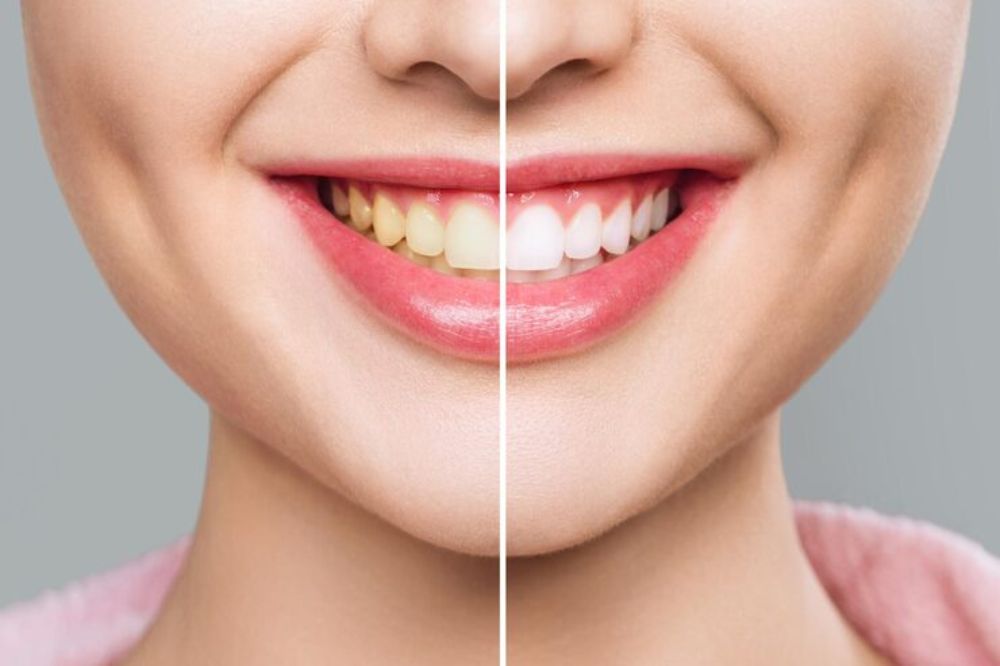
Teeth whitening is one of the most popular dental treatments today. But there is also a lot of wrong information floating around about it. This blog will help you understand what is true and what is not—in simple, easy language.
If you have been curious about teeth whitening in Lawrenceville, you are in the right place. Let us bust the biggest myths one by one.
The Truth About Teeth Whitening
Many people avoid whitening treatments because of things they have heard from friends or read online. The problem is, most of those things are not accurate.
Whitening your teeth is generally safe when done correctly. It does not ruin your teeth or make them weak. And no, it does not work the same for everyone—and that is completely okay.
Let us go deeper.
Why Do Teeth Get Discoloured in the First Place?
Before we talk about myths, it helps to understand why teeth change colour.
Your teeth can get stained because of:
- Food and drinks – coffee, tea, red wine, and dark juices
- Tobacco – smoking or chewing tobacco stains teeth badly
- Age – as you grow older, the outer layer of your teeth gets thinner
- Medicines – some antibiotics can cause deep staining
- Poor brushing habits – plaque builds up and makes teeth look yellow
Some stains sit on the surface. Others go deeper into the tooth. That is why not every whitening method works for every person.
Common Myths — And the Real Facts
Myth 1: Whitening Toothpaste Gives You a Bright Smile
This is one of the most common myths out there.
Whitening toothpastes can remove surface stains to some degree. But they do not change the actual colour of your teeth. The active agents in these pastes are mild and cannot reach deeper layers. If your teeth are deeply stained, toothpaste alone will not fix the problem.
Myth 2: Whitening Damages Your Tooth Enamel
Many people believe this and skip whitening entirely. But here is the truth.
When done properly, whitening does not destroy enamel. The whitening agents used by dental professionals are carefully measured. They lighten the colour of your teeth without wearing them down.
However, overusing store-bought kits or doing it too frequently without guidance can cause sensitivity or mild enamel wear over time.
Myth 3: All Teeth Can Be Whitened the Same Way
This is not true. Crowns, veneers, and fillings do not respond to whitening products. Only natural teeth do. Also, some stains — especially those caused by medicines — are harder to treat.
A good dentist near you can check the type of staining you have and suggest the best option. Not everyone needs the same treatment, and not every product works the same way for all people.
Myth 4: Home Kits are Equally Effective as Professional Treatment.
Home kits are cheap yet convenient. Nonetheless, they make use of milder bleaching agents. Your trays may not fit your teeth perfectly, which can cause wonkiness or irritation to your gums. Treatments are more controlled. The results are more regular. The oversight enhances the safety of the process.
Myth 5: Whitening Results will Stay Forever!
If only that were true!
Whitening results fade over time. How fast they fade depends on your diet and habits. If you drink a lot of coffee or tea, the results may not last as long. Most people need a touch-up every few months to keep their smile looking bright.
What Does Teeth Whitening Actually Cost?
A very common question people ask is about the teeth whitening cost.
Here is a general breakdown:
| Type of Whitening | Approximate Cost | Duration of Results |
| Whitening Toothpaste | ₹200 – ₹800 | Minimal |
| Over-the-Counter Strips | ₹500 – ₹2,000 | 1–3 months |
| At-Home Professional Kit | ₹3,000 – ₹8,000 | 3–6 months |
| In-Office Professional Whitening | ₹8,000 – ₹20,000+ | 6–12 months |
These are general estimates. Actual costs depend on where you live, the clinic you visit, and the type of staining you have.
When Should You See a Dentist Instead of Doing It Yourself?
Not all yellow or stained teeth are the same. Some situations need a professional eye.
You should see a dentist if:
- Your stains are deep and do not respond to home products
- You have sensitive teeth and are worried about pain
- You have crowns, veneers, or fillings and want an even result
- You are not sure what type of staining you have
A proper check-up can save you money and time in the long run.
Is Teeth Whitening Safe for Everyone?
Not always — and that is important to know.
Whitening is generally not recommended for:
- Children under 16 — their teeth are still developing
- Pregnant or breastfeeding women — out of caution
- People with gum disease or cavities — these must be treated first
- People with very sensitive teeth — special care is needed
Always check with a dental professional before starting any whitening treatment.
What Is the Right Way to Handle Discoloration?
Discoloration treatment is not always about whitening. Sometimes, other options work better.
Here is what your dentist might suggest based on your situation:
- Polishing — removes surface stains caused by food and drink
- Scaling — removes hardened deposits that cause yellow buildup
- Bleaching — lightens the actual colour of the teeth
- Veneers — thin covers placed over teeth for a completely new look
- Bonding — a tooth-colored material used to cover stained areas
The right option depends on what is causing your discoloration.
The Bright Truth: Your Smile Deserves Real Care
There is a lot of misleading information about teeth whitening. But now you know the facts.
Whitening is safe when done right. It is not permanent, but it works well with proper care. Home kits have their place, but professional guidance gives better and safer results.
If you have been thinking about brightening your smile, Choice One Dental is here to help. Our team takes time to understand your specific dental needs before suggesting any treatment. We believe in honest, patient-focused care — no pressure, no guesswork.
Visit us for a thorough dental check-up and find out which whitening or discoloration treatment is right for you. Because every smile is different, and yours deserves the best possible care.
Frequently Asked Questions
Can whitening treatments fix all types of tooth stains?
No — whitening works best on surface stains; deep or medicine-caused stains may need other treatments.
How long does it take to see results from professional whitening?
Most people notice a visible difference after just one session.
Does whitening work on artificial teeth like crowns or veneers?
No — whitening agents only work on natural tooth surfaces.
Can I whiten my teeth if I have cavities?
Cavities should be treated first before starting any whitening procedure.