Inlays and onlays are great ways to repair damaged or decayed teeth. These fillings keep more of your tooth intact than a crown does. As you explore tooth restoration options, your dentist Lawrenceville might suggest inlays and onlays depending on how badly a tooth is damaged. Knowing their gains and limits can help you learn clearly about your oral health.
What Are Inlays and Onlays?
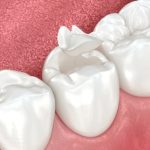
Inlays and onlays are customised treatments that are designed in a dental lab and cured in your teeth.
- Inlays fill the grooves inside the tooth surface and are similar to fillings but larger.
- The pointed parts of your tooth are called cusps. Only a large filling will be placed on the tooth. Onlays cover one or more cusps. They are larger than inlays but not as invasive as crowns.
Usually, porcelain, composite resin, or gold options offer long-lasting durability and are safe.
Advantages of Inlay and Onlay Procedures
1. Preserve More Natural Tooth Structure
It is possible that a dentist can use inlays and onlays to replace weakened or broken teeth. In contrast to crowns that need a lot of reshaping, only the damaged part is replaced with these. This helps keep teeth strong and intact for a long time.
2. Stronger and More Durable Than Fillings
Inlays and onlays create a solid, reinforced structure. Unlike conventional fillings, these fillings will deliver a stronger and more durable result. When wracked well, many can live from 10 to 30 years of long life.
3. Highly Aesthetic and Natural-Looking
Porcelain dental fillings match well with your existing teeth. They look like natural enamel, both in terms of feel and appearance, which is great for patients wanting this look but are not looking for too much change to their smile.
4. Better Fit and Function
Since inlays and onlays are made in a dental laboratory, they are more precise. This tailored fit enhances your bite, safeguards neighbouring teeth, and lowers the chances of additional decay.
5. Stain-Resistant and Durable
Porcelain inlays and onlays are highly resistant to staining (from food or drinks and lifestyle habits), unlike composite fillings. Many years go by before they start to tarnish.
6. Ideal for Moderate Tooth Damage
Inlays and onlays are a great option when a cavity or fracture is too big for a filling, but they’re not quite large enough to need a crown.
Disadvantages of Inlay and Onlay Procedures
1. Higher Cost Compared to Fillings
One of the disadvantages is that Dental Inlay Costs are usually more expensive than regular fillings because they need to be made in a lab, and a more complex procedure must be done. Final price may vary depending on material, location of the tooth and insurance.
2. Requires Multiple Appointments
Unlike fillings, which can be done in one appointment, inlays and onlays are usually two-visit procedures. The first visit is for the tooth preparation and impressions, and the second is for placement when the restoration is ready. Some high-tech offices with advanced CAD/CAM technology can do this in one appointment, but you don’t always have access to these options.
3. Not Suitable for Severely Damaged Teeth
If a tooth is badly decayed or broken, a crown may require less drilling than a filling. Onlays and inlays are good for medium repair needs.
4. Possible Tooth Sensitivity
Some patients feel temporary temperature sensitivity soon after the treatment. Most of the time, it will clear up by itself. But it may cause discomfort.
5. Potential for Debonding
Inlays or onlays are rarely dislodged from the tooth, but some excessive bite force or a compromised adhesive bond may lead to this.
Are Inlays and Onlays Right for You?
People who are looking for a long-lasting solution to moderate tooth damage that looks completely natural but do not want a full crown find these restorations to be the ideal option. Your dentist will take several factors into account, such as where the tooth is located, how much decay it has and your bite pattern.
Conclusion
Inlays and onlays are a strong, aesthetic, durable means of tooth restoration. Although they are more expensive and require at least two dental visits, many patients find that the long-term benefits outweigh the disadvantages. The Choice One Dental team would love to help restore your smile. If you are considering Inlays and Onlays Lawrenceville, or Advanced Tooth Restoration Options, contact us today! Ready to improve your smile? Visit Choice One Dental today to learn more!
📍Easily Navigate to Our Dental Office via Google Maps.