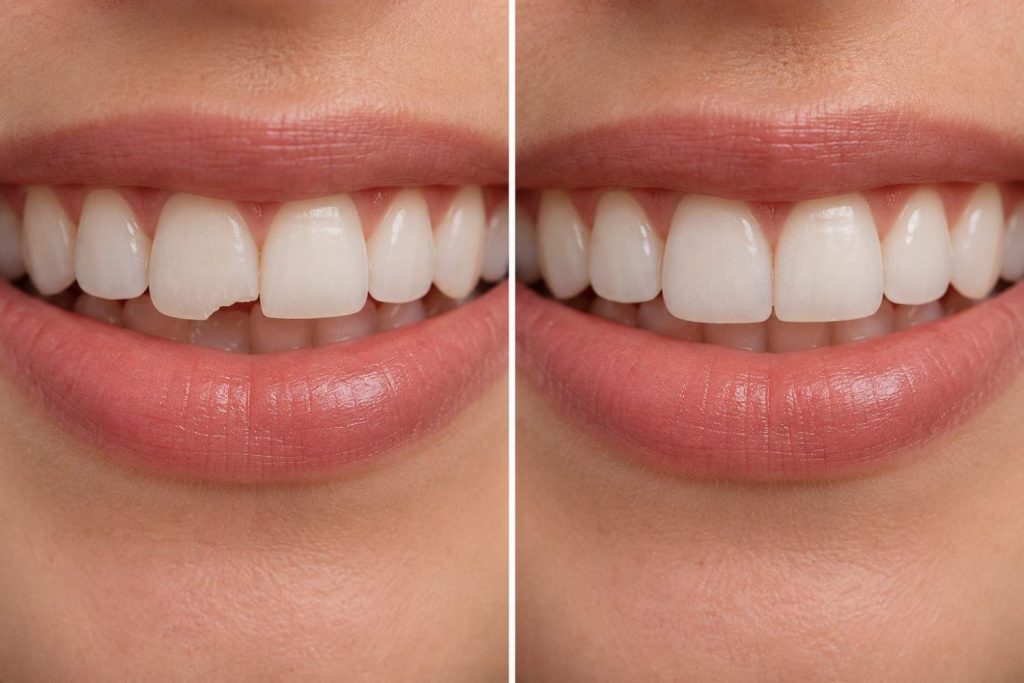
A chipped front tooth can affect both your smile and your confidence. Whether it happened during a meal, a sport, or a small accident, the damage is hard to ignore when it sits right at the front of your mouth.
Cosmetic bonding is a simple, budget-friendly way to repair a chipped front tooth with results that blend in naturally. Those looking for cosmetic bonding in Lawrenceville will find it is a commonly offered procedure at dental offices throughout the area.
What Is Cosmetic Bonding?
Cosmetic bonding is a dental procedure where a tooth-colored resin material is applied directly to the surface of a damaged tooth. The resin is carefully shaped and molded to match the natural appearance of the surrounding teeth.
Once it is in the right position, a special light is used to harden the material. The result is a restored tooth that blends in seamlessly with the rest of your smile. It is one of the most straightforward cosmetic procedures available — and one of the most effective for front tooth repairs.
Can a Chipped Front Tooth Be Fixed With Bonding?
Yes, and it is actually one of the most common uses for the procedure. A visit to a dental office near you can confirm whether bonding is the right fit for your specific chip, but in most cases, it works very well for:
- Small to moderate chips on front teeth
- Minor cracks that affect the tooth’s appearance
- Uneven or jagged edges caused by impact or wear
- Gaps between front teeth that developed due to chipping
- Discoloration or rough spots around a chipped area
The procedure works particularly well on front teeth because they experience less biting pressure than molars, which helps the bonding material hold up over time.
How Does the Bonding Process Work?
One of the reasons cosmetic bonding is so popular is how simple and quick the process is compared to other cosmetic options.
Here is what to expect during a typical appointment:
- Preparation — The tooth surface is lightly roughened to help the resin bond securely. Drilling is not required in most cases.
- Color matching — A shade of resin is selected that closely matches your natural tooth color for a seamless look.
- Application — The resin is applied in layers directly onto the chipped area and carefully sculpted to restore the original shape.
- Hardening — A curing light is used to quickly set and harden each layer of resin.
- Polishing — The bonded area is smoothed and polished until it blends naturally with the surrounding tooth.
The entire appointment usually takes between 30 and 60 minutes per tooth — often completed in a single visit with no downtime afterward.
How Long Does Cosmetic Bonding Last?
With proper care, cosmetic bonding can last 5 to 10 years before it may need a touch-up or replacement. The longevity depends on how well you maintain it and where in the mouth the bonding is applied.
To get the most out of bonding results:
- Avoid biting nails or chewing hard things like ice or pens
- Cut hard foods like apples or crusty bread instead of biting directly into them
- Wear a mouthguard if you play contact sports
- Brush gently using a non-abrasive toothpaste
- Book routine cleanings at a trusted dental office in Lawrenceville to catch any early wear
How Does Bonding Compare to Other Options?
There are several ways to address a chipped front tooth, and bonding sits in a sweet spot between cost and results.
Here is how it compares to two other popular options:
Dental Veneers — Veneers are thin porcelain shells that cover the entire front surface of a tooth. They last longer than bonding but require more preparation, multiple appointments, and a higher investment.
Dental Crowns — Crowns cover the full tooth and are typically reserved for more significant structural damage. They are more durable but also more invasive and costly than a simple chip.
Cosmetic Bonding — It preserves more of the natural tooth structure and can be completed in one visit at a much lower cost, making it ideal for minor to moderate chips.
For a chipped front tooth without major structural damage, bonding is often the most practical and efficient path forward.
Is Cosmetic Bonding the Right Choice?
Chips and cracks vary in size and severity. Some may need a different level of care depending on the extent of the damage. Looking up cosmetic bonding near you helps connect with local dental practices where this service is readily available.
During that visit, a dentist will examine the chip, take X-rays if necessary, and walk you through which options suit your situation.
What Makes Front Teeth More Susceptible to Chipping?
Front teeth handle a lot of daily pressure and are more exposed than back teeth, so they chip more easily. Common causes include:
- Biting hard foods or objects by accident
- Sports injuries without wearing a mouthguard
- Teeth grinding, which slowly weakens the enamel
- Acidic foods and drinks that wear down the teeth
- Old dental work that has become weak or worn out
Knowing what caused the chip can help prevent the same problem from happening again after cosmetic bonding.
Schedule Your Smile Consultation Today
A chipped tooth does not have to stay that way. Book a consultation with Choice One Dental today to learn how cosmetic bonding can restore your smile.
Frequently Asked Questions
Does cosmetic bonding hurt?
The procedure is generally painless and is performed without anesthesia in most cases since no significant tooth removal is involved.
Can bonding fix multiple chipped teeth at once?
Yes, a dentist can treat several teeth in a single session, depending on the extent of the damage and time required.
Will bonded teeth look natural?
The resin is color-matched to your existing teeth, making the bonded area virtually indistinguishable from your natural enamel.
How soon can I eat after getting cosmetic bonding?
You can eat shortly after the procedure, though avoiding hard or sticky foods for the first 24 to 48 hours is generally recommended.