A cracked tooth can cause pain when you bite, sensitivity to hot or cold foods, or recurring discomfort. In some cases, dental crowns in Lawrenceville can help protect a damaged tooth and restore its function. Whether a crown is suitable depends on the location and severity of the crack and how much healthy tooth structure remains.
A cracked tooth does not always need to be removed. An early evaluation can help determine how severe the damage is and whether the tooth can be restored. Seeing a dentist near you can help you address the problem early and understand which treatment options may be suitable.
What Causes a Tooth to Crack?
Cracking of teeth can take place due to multiple reasons. Some cracks develop from normal wear over time, while others result from sudden pressure or injury.
Common causes include:
- Biting hard foods or objects
- Grinding or clenching your teeth
- Experiencing an injury to the mouth
- Having large fillings that weaken the tooth
- Experiencing normal wear as you age
- Exposing teeth to sudden temperature changes
The location and depth of the crack are important when deciding how to treat it. A small surface crack may not require the same treatment as a crack that extends deeper into the tooth.
Can a Crown Repair a Cracked Tooth?
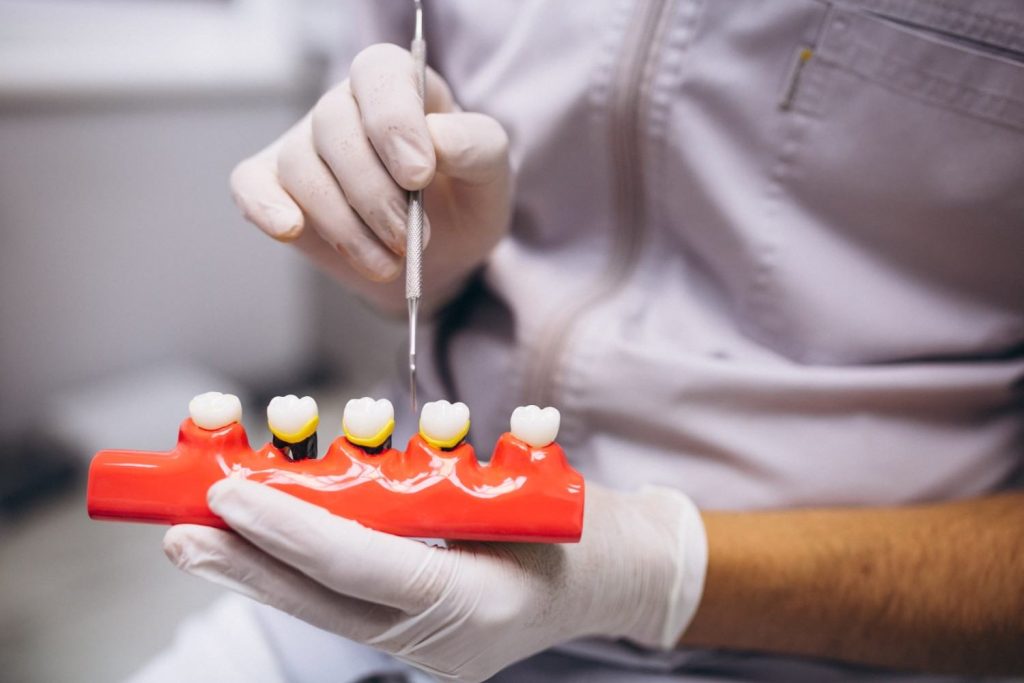
A dental crown cannot remove the crack itself, but it can cover and protect a damaged tooth. A crown fits over the visible portion of the tooth and helps hold the remaining structure together.
When enough healthy tooth structure remains, a crown may help prevent the crack from getting worse during normal biting and chewing. It can also restore the tooth’s shape and function.
However, crowns are not suitable for every cracked tooth. If the crack extends below the gumline or reaches the tooth’s root, the tooth may not be restorable with a crown alone.
When Is a Crown Recommended?
Your dentist will examine the tooth and consider the location and extent of the crack before recommending treatment. The condition of the surrounding gums and supporting tissues may also be considered.
A crown may be an option when:
- The tooth has enough healthy structure to support a crown
- The crack has not extended too far below the gum line
- The tooth can still be restored
- The surrounding tissues are healthy enough for treatment
- The tooth does not require removal
Your dentist may also take dental X-rays or use other diagnostic methods to better understand the condition of the tooth.
What Happens Before Getting a Crown?
Treatment usually begins with an examination of the damaged tooth. Your dentist will ask about your symptoms and check how the tooth responds to pressure or temperature.
If a crown is recommended, the damaged or weakened portion of the tooth may need to be prepared. The dentist then takes an impression or digital scan to create a restoration that fits the tooth.
A temporary crown may be placed while the permanent crown is being made. Once the final crown is ready, it is checked for fit and bite before being securely bonded to the tooth.
Can a Crown Prevent a Cracked Tooth From Getting Worse?
A crown can provide protection for a tooth that has been weakened by a crack. Covering the tooth can reduce the pressure placed directly on the damaged structure during chewing.
However, a crown does not guarantee that a crack will never progress. The long-term condition of the tooth can depend on the depth of the crack, your bite, oral hygiene, and habits such as teeth grinding.
What if the Tooth Cannot Be Saved?
Not every cracked tooth can be restored. If a crack extends deep into the root or separates the tooth into sections, removing the tooth may be necessary.
If extraction is recommended, your dentist can discuss replacement options after the area has healed. Depending on your needs, treatment may include a dental implant, bridge, or another type of restoration.
When Should You See a Dentist for a Cracked Tooth?
Do not ignore ongoing tooth pain or sensitivity. Cracks can sometimes become more difficult to treat as they progress.
Consider scheduling an evaluation if you notice:
- Pain while biting or chewing
- Sensitivity to hot or cold
- A visible crack in the tooth
- Recurring or intermittent pain
- A chipped or broken tooth
Visiting a dental office in Lawrenceville can help you get the tooth evaluated before the damage becomes more extensive.
Protect Your Cracked Tooth
A cracked tooth may still be treatable when evaluated early. Choice One Dental provides personalized dental care to help you understand your treatment options and protect your oral health. Schedule an appointment with us today to have your cracked tooth evaluated.
Frequently Asked Questions
Can a dental crown fix a cracked tooth?
A crown can protect and restore a cracked tooth when enough healthy tooth structure remains. Your dentist will determine whether the tooth can be treated with the help of a crown.
Is a cracked tooth always painful?
No. Some cracked teeth may cause little or no pain at first. Others can cause sensitivity or pain when biting.
How long can a cracked tooth last without treatment?
There is no set timeline. A crack may worsen over time, so having the tooth evaluated can help determine the appropriate treatment.
Can I eat normally after getting a crown?
Once the permanent crown is properly placed and any initial sensitivity has settled, most people can return to normal eating. Your dentist will provide specific care instructions.
What happens if a cracked tooth cannot be saved?
If the crack is too extensive for restoration, extraction may be recommended. Your dentist can then discuss suitable tooth replacement options.