A tooth that is badly damaged or infected does not always need to be removed. A root canal may help treat the problem while keeping the natural tooth in place. Root canal therapy in Lawrenceville is used to remove infected or damaged tissue from inside a tooth, clean the area, and seal it to help prevent further infection. Pain is a common concern, but modern dental care uses local numbing to keep the treatment as comfortable as possible.
Understanding what causes the pain, what happens during treatment, and what to expect afterward can make the decision easier.
Why Does a Tooth Need a Root Canal?
Inside each tooth is a soft area containing nerves and blood vessels. If deep decay, a crack, or an injury damages this area, bacteria can enter and cause infection.
Signs that a tooth may need root canal treatment can include:
- Ongoing tooth pain
- Sensitivity to hot or cold that lasts after the food or drink is gone
- Pain when biting or chewing
- Swelling around the tooth
- A darkened or discoloured tooth
- A small bump on the gum near the tooth
Not every toothache means a root canal is needed. A dental examination is needed to find the cause of the pain.
Is Root Canal Treatment Painful?
A root canal is usually done with local anaesthetic to numb the area and help you stay comfortable during treatment. You may have some mild soreness or sensitivity afterward, especially when chewing, but this often gets better with time.
The amount of discomfort can be different for each person. It may depend on the condition of the tooth and nearby tissues. Tell your dental team about any pain concerns before treatment so they can help keep you comfortable.
Can a Root Canal Save the Natural Tooth?
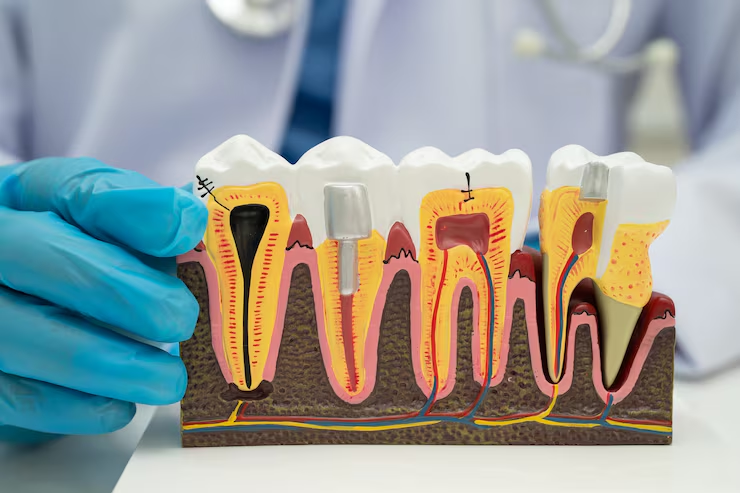
Yes, a root canal can sometimes help save a tooth that might otherwise need to be removed. During treatment, the damaged or infected tissue inside the tooth is taken out. The inside is then cleaned and sealed.
Keeping your natural tooth can help you chew and keep the tooth in its usual place. However, a root canal cannot save every tooth. If the tooth is badly damaged, cannot be repaired, or does not have enough healthy tooth structure, the dentist may recommend removing it.
What Happens During Root Canal Treatment?
Root canal therapy in Lawrenceville generally involves several steps:
- Examination: The tooth is checked to understand the source and extent of the problem.
- Numbing: Local anaesthetic is used to numb the area.
- Accessing the tooth: A small opening is made to reach the damaged tissue inside.
- Cleaning: The infected or damaged tissue is removed, and the inside of the tooth is cleaned.
- Sealing: Once the inner part of the tooth has been cleaned, it is filled and sealed to help stop bacteria from entering again.
- Restoration: A filling or crown may be needed to strengthen and rebuild the tooth. The choice depends on how much healthy tooth structure is left.
- Treatment can vary: The steps may be different for each tooth based on its condition and the amount of damage.
Root Canal or Tooth Extraction?
When a tooth can be repaired and has enough healthy structure to remain, saving it may be an option. Extraction removes the natural tooth and may require another treatment later if the gap needs to be replaced.
A dental office in Lawrenceville can examine the tooth and explain whether a root canal or extraction is appropriate. When searching for a dentist, it can help to ask what is causing the tooth problem and whether the natural tooth can be restored.
What Can Happen After a Root Canal?
Some tenderness may occur for a few days after treatment. The treated tooth may also feel different while the surrounding area settles.
After treatment:
- Follow the dental team’s care instructions.
- Avoid chewing hard foods on the treated tooth until advised.
- Keep brushing and cleaning the area normally unless given different instructions.
- Return for the final restoration if one is recommended.
Contact a dentist near you if severe pain, swelling, or other concerning symptoms develop.
How Can a Root Canal Help Prevent Further Problems?
Root canal treatment involves removing damaged or infected tissue from inside the tooth. The inner area is carefully cleaned and closed with a seal to help prevent bacteria from getting back in and reduce the risk of further problems.
A root canal is only part of keeping the tooth healthy. Daily brushing and flossing, along with routine dental checkups, are still needed. Even after treatment, the tooth can develop decay or other dental problems without proper care.
Protect a Tooth That May Still Be Saved!
A painful or damaged tooth does not automatically mean it needs to be pulled. When enough healthy tooth structure remains, root canal treatment may provide a way to remove the infection and keep the natural tooth. The right choice depends on the condition of the tooth and surrounding tissues.
Book an appointment with Choice One Dental of Lawrenceville to have your painful or damaged tooth assessed and learn whether root canal treatment may help save it.
FAQs
Can a root canal be done if there is swelling?
Treatment may still be possible when swelling is present, but the cause and severity need to be assessed first. The recommended approach depends on the condition of the tooth and surrounding tissues.
How long does a root canal appointment take?
The time can vary based on the tooth, the level of infection, and the treatment needed. Some teeth may require more than one appointment.
Can a tooth hurt after a root canal?
Yes. Mild soreness or tenderness can occur after treatment. If pain is severe, gets worse, or does not improve as expected, the dental team should be contacted.
Is a crown always needed after a root canal?
Not always. The need for a crown depends on the tooth’s location, how much healthy tooth remains, and the amount of strength and protection needed.