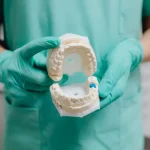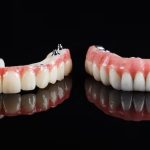
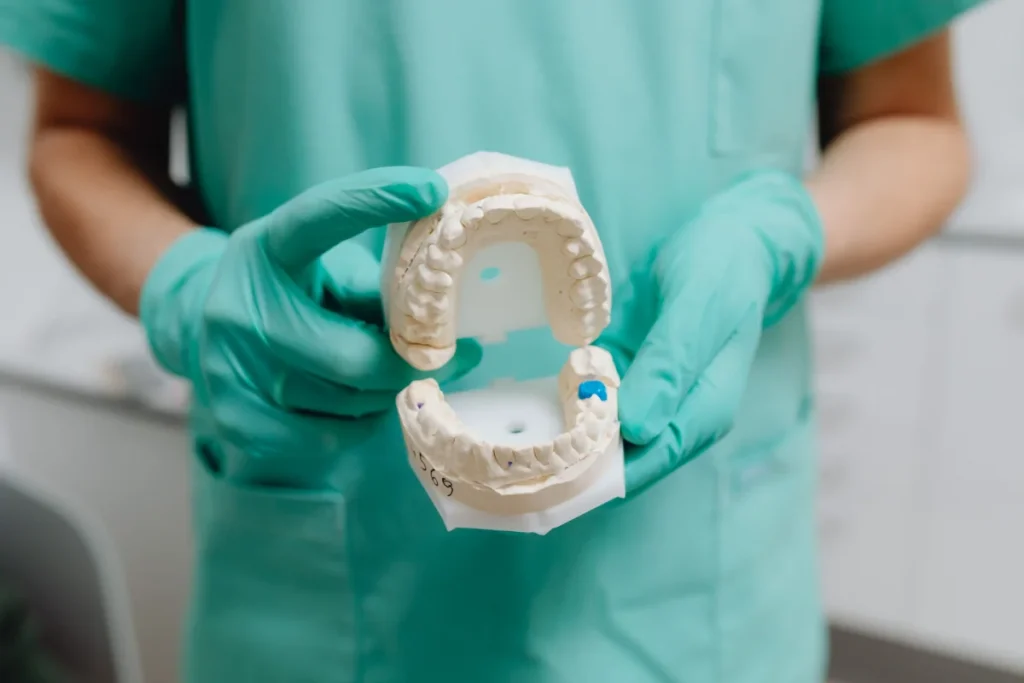
A dental bridge can replace one or more missing teeth and help restore your ability to chew, speak, and smile with confidence. With proper care, a traditional dental bridge often lasts around 5 to 15 years, although some may last longer. Its lifespan depends on the materials used, the health of the supporting teeth and gums, your bite, and daily cleaning habits. Dental bridges in Lawrenceville can be planned to suit the condition of the surrounding teeth and the space left by missing teeth. While a bridge is designed to handle normal chewing, it still needs regular care. Good oral hygiene and dental checkups can help protect the bridge and the teeth that support it.
How Long Does a Dental Bridge Usually Last?
Most traditional dental bridges last about 5 to 15 years. Their lifespan is not fixed, and some may remain in good condition for longer with proper care. A bridge may need repair or replacement if it becomes loose, damaged, or affected by decay around its supporting teeth.
Several things can affect how long a dental bridge lasts:
- Material: The material used to make the bridge can affect its strength and how well it handles daily use.
- Supporting teeth: The natural teeth that hold the bridge in place need to remain strong and healthy.
- Gum health: Healthy gums help keep the teeth around the bridge in good shape.
- Bite pressure: Grinding or clenching your teeth can put extra pressure on the bridge and cause damage over time.
- Daily care: Brushing every day, cleaning between your teeth, and visiting your dentist regularly can help keep the bridge in good condition.
Signs Your Dental Bridge May Need Attention
A bridge should feel stable and comfortable during normal use. Certain changes may indicate that it needs to be checked.
Watch for these signs:
- Looseness: The bridge moves when chewing or speaking.
- Pain or sensitivity: The teeth holding the bridge hurt or feel sensitive when you eat or drink something hot or cold.
- Gum changes: The gums around the bridge become red, swollen, sore, or start bleeding.
- Food getting stuck: Food often gets trapped around or under the bridge.
- Visible damage: A chip, crack, or rough edge appears.
Do not try to adjust or glue a loose bridge at home. A dentist near you can examine it, identify the cause, and explain whether repair or replacement is needed.
How to Care for a Dental Bridge Every Day
Cleaning your teeth every day helps keep the gums and teeth supporting your bridge healthy. Even though a dental bridge fills the gap left by missing teeth, food and plaque can still build up around it and underneath it.
Follow these simple steps to keep your dental bridge clean and safe:
- Brush twice a day: Use a soft toothbrush and fluoride toothpaste. Gently brush your bridge, nearby teeth, and gums.
- Clean under the bridge: Use a floss threader, special floss, or a small brush to clean under the bridge and remove stuck food.
- Floss every day: Clean between your natural teeth to remove food and plaque.
- Rinse after eating: Rinse your mouth with water after meals to wash away food pieces when you cannot brush.
- Avoid biting hard things: Do not bite your nails, open packets with your teeth, or chew hard objects. These habits can break or damage your bridge.
Foods and Habits That Can Damage a Bridge
A dental bridge can handle normal chewing, but certain foods and habits may increase the risk of damage.
Be careful with:
- Very hard foods, such as ice and hard candies.
- Sticky foods that may pull on the bridge.
- Biting directly into very hard items.
- Chewing on pens, fingernails, or other objects.
- Teeth grinding or clenching, especially during sleep.
If grinding is a concern, a dentist may recommend a custom night guard to help reduce pressure on the teeth and bridge.
Why Regular Dental Checkups Matter
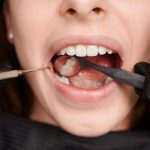
Caring for your dental bridge at home is important, but you also need regular dental checkups. Your dentist will check the bridge, the supporting teeth, and the surrounding gums. Regular visits can help find small problems early and stop them from getting worse.
During a dental visit, your dentist may:
- Check if the bridge is firmly in place.
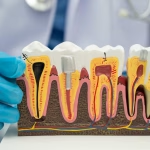
- Look for tooth decay in the teeth holding the bridge.
- Check the gums for swelling, redness, or food stuck around the bridge.
- Check how your upper and lower teeth meet when you bite.
- Take dental X-rays if they need to check areas they cannot see during the examination.
A dental office in Lawrenceville can also help you choose the right tools to clean your bridge properly. Your dentist will let you know how often you should come for checkups based on your dental health.
Keep Your Dental Bridge in Good Condition!
A dental bridge can serve you for many years with proper daily care and regular professional attention. If you notice looseness, discomfort, or changes around the bridge, arrange an examination rather than waiting for the problem to worsen. Contact Choice One Dental of Lawrenceville to schedule a visit and get guidance on keeping your bridge comfortable and functional.
FAQs
Can a dental bridge last longer than 15 years?
Yes. A dental bridge can last more than 15 years if the teeth and gums supporting it stay healthy and you take good care of it every day. However, how long it lasts can vary from person to person, and no bridge lasts forever.
Does a dental bridge need special cleaning?
A bridge needs careful cleaning around its edges and underneath the replacement tooth. A floss threader or interdental brush can help reach these areas where a regular toothbrush may not reach.
Can a dental bridge get cavities?
The artificial replacement tooth cannot develop a cavity, but the natural teeth supporting the bridge can. Plaque around the edges may lead to decay if it is not removed regularly.
What should you do if a dental bridge feels loose?
Avoid chewing on that side and arrange a dental examination. A loose bridge may result from damage, changes in the supporting teeth, or problems with the cement holding it in place.