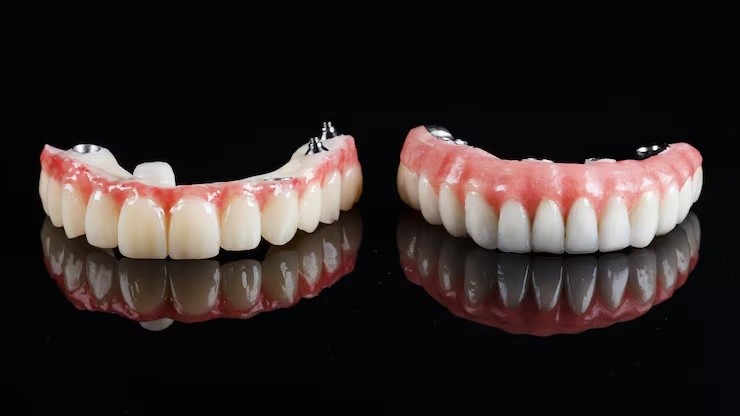
When your dentures move while eating, even a sandwich can become difficult to enjoy. You may avoid certain foods because you’re worried about them slipping. Implant supported dentures in Lawrenceville can provide a firmer hold than traditional dentures, making everyday meals more comfortable.
Why Do Traditional Dentures Move?
Traditional dentures sit on the gums. An upper denture often stays in position through its close fit against the palate and suction. Lower dentures have a tougher job. Your tongue moves constantly, and there’s less surface available to hold the denture.
A denture can also become loose after years of use. The jawbone changes shape following tooth loss, while the denture keeps its original shape. You may start noticing movement during meals or a tender spot where the base rubs. Sometimes a reline helps. Other times, a replacement makes more sense if the denture has become worn or damaged. You might also notice that certain foods have become harder to chew. Mentioning these changes during an appointment can help your dentist assess the fit.
How Do Implants Help Hold Dentures in Place?
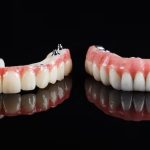
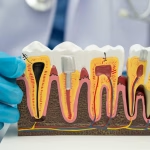
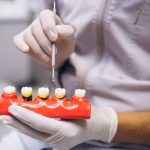
With traditional dentures, the gums provide most of the support. Implant-supported dentures work differently. Small titanium posts are placed in the jawbone, where they heal and become stable enough to support the denture. Once the attachments are connected, the denture has a firmer hold during everyday activities such as eating and speaking.
That difference often matters most for a lower denture. Biting into food may feel less uncertain, and speaking can become easier when you’re not concentrating on keeping the denture still. The design matters, though, and it is worth asking how yours would be cleaned. One version snaps onto attachments and comes out for cleaning. Another remains secured in place and requires professional removal.
Neither design makes chewing identical to having natural teeth. Your dentist still needs to consider how the teeth meet and where the implants can be placed safely.
What Should You Consider Before Choosing?
At our dental office in Lawrenceville, Dr. Ankita Aggarwal can assess the condition of your gums and jawbone. Choice One Dental of Lawrenceville provides traditional dentures, dental implants, and implant restorations. Digital imaging helps our team plan implant treatment, and sedation options can be discussed when appropriate. We can review your medical history.
Traditional dentures cost less initially and don’t require surgery. Implants cost more, need healing time, and require adequate jawbone.
Searching for a dentist near you? Bring your dentures and tell us where they slip or hurt. We’ll check the fit and discuss your options.
Will Either Option Need Maintenance?
Yes, although the routines differ. Take removable dentures out to clean them as directed. With implants, you’ll also need to clean carefully around the attachments and nearby gums. Clips and other connecting components can wear out. During checkups, we can examine the fit and look for parts that need attention.
Talk With Us About Your Options
Contact Choice One Dental of Lawrenceville to arrange a consultation and discuss the fit of your dentures.
Frequently Asked Questions
Can an implant denture still become loose?
Attachments wear over time, so movement can return and may call for a repair or adjustment.
Will I need a new denture if I choose implants?
That depends on the condition and design of your current denture. Your dentist can examine it before deciding.
Is surgery required for implant-supported dentures?
Implants are surgically placed in the jaw. Healing time varies, and your dentist will explain the steps.